Selling on Jiji Kenya for Profit in 2026: The Complete Beginner to Advanced Guide
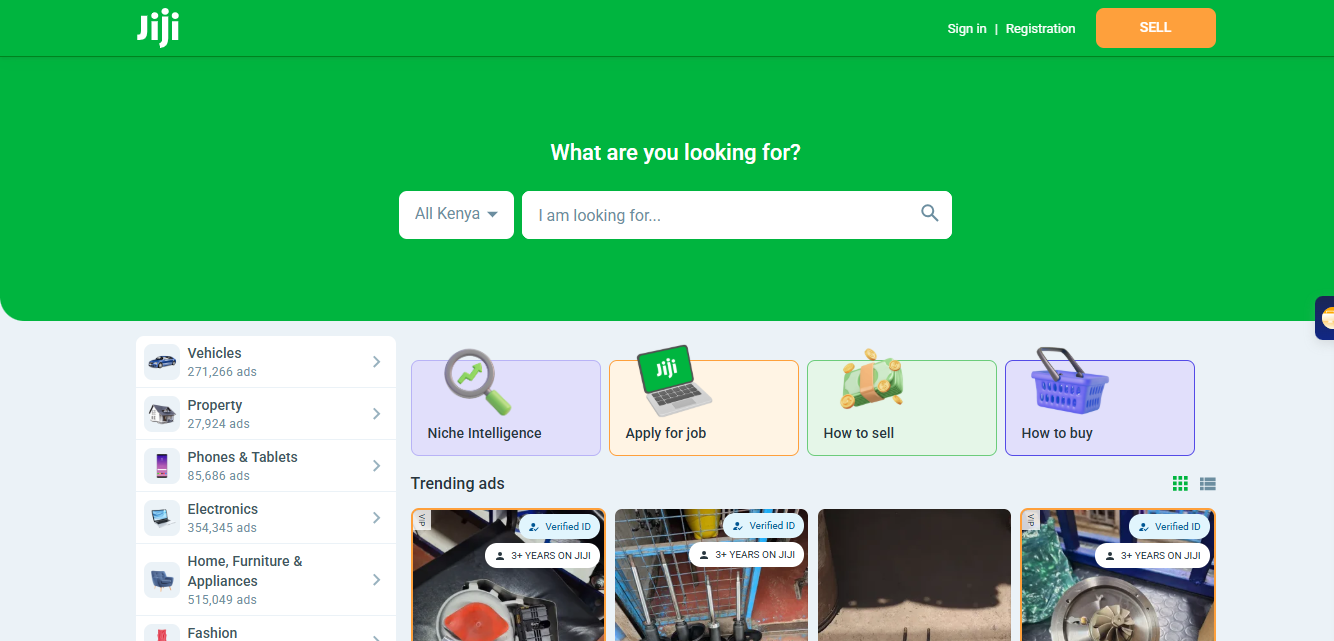
If you have ever scrolled through Jiji Kenya and wondered whether you could turn those listings into a real income, the answer is yes, and people are doing it every single day. Selling on Jiji Kenya for profit is one of the most accessible ways to earn money online in Kenya right now, with zero technical skills required and startup costs as low as KSh 0 if you are selling items you already own.
Whether you want to flip secondhand electronics for quick cash, run a side hustle selling clothes, or build a fully-fledged Jiji business in Kenya, this guide covers everything you need to know — from your first listing to scaling into a consistent monthly income.
How Do You Sell on Jiji Kenya for Profit?
Selling on Jiji Kenya for profit works like this:
- Find items to sell — source from your home, Gikomba, Toi Market, China imports, or manufacture yourself
- List them on Jiji — take clear photos, write a compelling description, set a competitive price
- Receive inquiries — buyers contact you via Jiji’s built-in chat or phone call
- Close the sale — meet safely or arrange delivery; receive payment via M-Pesa
- Repeat and scale — reinvest profits to buy more inventory
Jiji Kenya is free to use for basic listings. You do not need a business registration, a shop, or a website to start. A smartphone and something to sell are enough.
What Is Jiji Kenya and Why Is It the Best Platform for Online Selling in Kenya?
Jiji Kenya is Kenya’s largest online classified marketplace. Launched in Kenya in 2014, it has grown to become the go-to platform for buying and selling everything from electronics and vehicles to fashion, furniture, and farm produce.
Why Jiji dominates online selling in Kenya:
- Over 7 million monthly visitors in Kenya
- Free to list (with optional paid boosts)
- No shipping or fulfilment requirements — you handle it yourself
- Works for individuals, small businesses, and large dealers
- Integrated chat system — no need to share your number upfront
- Categories cover virtually every product imaginable
- M-Pesa is the standard payment method — seamless for Kenyan sellers
Compared to Facebook Marketplace, Jiji has more structured categories, better search functionality, and a larger dedicated buyer base specifically looking to purchase. For online selling in Kenya, Jiji is the starting point most serious resellers recommend.
Step-by-Step Guide: How to Start Selling on Jiji Kenya for Profit
Step 1: Create Your Jiji Account
- Visit https://jiji.co.ke or download the Jiji app (available on Google Play and App Store)
- Click Post Ad and register with your phone number or Google account
- Verify your account with your phone number — this builds buyer trust
- Complete your profile — add a profile photo and a brief description of what you sell
- Enable WhatsApp contact on your profile if you want buyers to message you on WhatsApp
A complete, verified profile gets significantly more inquiries than an anonymous listing.
Step 2: Decide What to Sell
This is the most important decision for profitability. The best-selling categories on Jiji Kenya in 2026 are:
High demand categories:
| Category | Avg. Profit Margin | Speed of Sale |
|---|---|---|
| Smartphones & electronics | 15–40% | Fast |
| Fashion & clothing | 30–200% | Medium |
| Home appliances | 20–35% | Medium |
| Furniture | 25–50% | Slow–Medium |
| Baby & kids items | 30–80% | Fast |
| Vehicles & motorbikes | 5–20% | Slow |
| Agricultural tools & inputs | 20–50% | Medium |
| Beauty & personal care | 40–100% | Fast |
| Books & stationery | 50–200% | Slow |
For beginners: Start with what you already own, or pick one category and become an expert in it. Spreading across too many categories too early splits your focus.
Step 3: Source Your Products
Sourcing is where profit is made or lost. Your cost price determines everything.
Sourcing options for Jiji sellers in Kenya:
Option A — Sell What You Own Zero cost. Clean out your home — old electronics, clothes, furniture, appliances. This is how most serious Jiji sellers start. One Nairobi seller funded their first electronics inventory by selling unused household items for Ksh 30,000.
Option B — Gikomba and Toi Market (Nairobi) Kenya’s largest secondhand markets. You can source:
- Branded secondhand clothing (mitumba) for Ksh 50–Ksh 500 and resell for Ksh 500–Ksh 5,000
- Electronics, household goods, shoes, and accessories at well below retail prices
Best days to go: Tuesday and Friday mornings (new bales arrive). Arrive early — by 7 AM — for the best selection.
Option C — Wholesale from Eastleigh, Kamukunji, or Muthurwa Buy new or near-new products in bulk at wholesale prices and list individually on Jiji. Common for electronics accessories, fashion, kitchenware, and beauty products.
Option D — Import from China via Alibaba/1688 More advanced, but highly profitable. Source products in bulk from:
- Alibaba — international buyers, English interface, higher MOQs
- 1688.com — domestic Chinese prices (cheaper), requires a freight agent
Reliable Kenya-based China freight agents:
- Copia Kenya — copia.co.ke
- Kentex Cargo — widely used for Alibaba imports
- DHL Express Kenya — faster but more expensive
Typical lead time: 2–4 weeks. Typical savings vs Kenyan retail: 40–70%.
Option E — Flipping Items Kenya Style (Buy Low, Sell High Locally) Buy underpriced items from Facebook Marketplace, estate sales, or other Jiji listings and resell at the correct market price. This is the purest form of flipping items in Kenya — no sourcing from markets needed.
How to spot underpriced listings:
- Sellers who write “urgent sale” or “need cash fast”
- Listings with no photos (add photos and relist at full price)
- Items listed in wrong categories (less visibility = lower bids)
- Old listings that have been up for 30+ days (seller is motivated)
Step 4: Take Professional Photos
On Jiji, your photos are your shopfront. Listings with high-quality photos get 3–5x more inquiries than poorly photographed ones. You do not need a professional camera — a modern smartphone is enough.
Photo tips for Jiji listings:
- Use natural daylight — shoot near a window or outside in shade
- Use a clean, neutral background — a white wall, plain bedsheet, or wooden floor
- Take multiple angles — front, back, sides, close-up of key features
- Show any defects honestly — buyers who discover hidden damage will return items or leave bad reviews
- For electronics: show the screen on, show the box if included, show accessories
- For clothing: use a mannequin or hanger — flat lay on a bed looks unprofessional
Free photo editing apps: Snapseed, Adobe Lightroom Mobile, or simply use your phone’s built-in editor to adjust brightness and contrast.
Step 5: Write a Listing That Sells
A good Jiji listing has three components: a keyword-rich title, an honest detailed description, and the right price.
Title formula: [Brand] + [Product Name] + [Key Spec] + [Condition]
Examples:
- ✅ “Samsung Galaxy A54 256GB — Excellent Condition, With Box”
- ✅ “SINGER Sewing Machine Electric — Fully Functional, Nairobi CBD”
- ❌ “Phone for sale” (too vague — low visibility)
- ❌ “Nice dress cheap” (no searchable keywords)
Description checklist:
- Brand, model, and specifications
- Condition (be honest — “mint,” “good,” “fair,” “for parts”)
- Age and usage history
- What is included (accessories, charger, box, warranty)
- Reason for selling (optional but builds trust)
- Preferred meeting location or delivery options
- Payment method accepted (M-Pesa)
Pricing tips:
- Research 5–10 similar listings before pricing
- Price 5–10% above your target to leave room for negotiation
- For fast sales: price 10–15% below the average listing price
- Never price so low that buyers assume something is wrong with the item
Step 6: Boost Your Listings Strategically
Jiji offers paid promotional features that increase visibility:
| Feature | What It Does | Cost (Approx.) |
|---|---|---|
| Top Ad | Pins your listing to the top of search results | Ksh 150–Ksh 500/day |
| Urgent | Adds an “Urgent” badge — catches buyer attention | Ksh 100–Ksh 300 |
| Highlight | Yellow background — stands out in listings | Ksh 80–Ksh 200 |
| Featured | Appears in “Featured” section on category pages | Ksh 200–Ksh 600 |
When to boost: Only boost listings where the profit margin justifies the cost. Boosting a Ksh 500 item with a Ksh 200 daily Top Ad fee makes no sense. Boosting a Ksh 20,000 item is a different calculation.
Free alternative to paid boosts: Refresh your listing by editing it slightly every 2–3 days. Fresh listings rank higher in search results than old, unchanged ones.
Step 7: Handle Inquiries and Close Sales Safely
Responding to buyers:
- Reply within 1 hour whenever possible — fast responses dramatically increase conversion
- Be friendly but firm on your price
- Have your bottom-line price decided before the conversation starts
- If a buyer lowballs aggressively, politely decline — “Thank you, I have had several other inquiries at this price”
Meeting buyers safely:
- For high-value items (Ksh 5,000+), meet in a public place — a supermarket, petrol station, or busy shopping centre
- Bring a friend for transactions above Ksh 20,000
- Never invite strangers to your home for their first visit
- For electronics: test together before exchanging money
- Use M-Pesa — ask for confirmation SMS before releasing the item
Handling delivery:
- For small items: use G4S Courier, Sendy, Wells Fargo Courier, or motorbike delivery services
- Always collect payment (M-Pesa) before dispatch for unknown buyers
- For Nairobi-based sellers: CBD pick-up points reduce the need for home address sharing
Step 8: Reinvest and Scale Your Jiji Business
Once you have made your first few sales:
- Track your profit — use a simple notebook or Google Sheets (price paid, listing price, sale price, profit)
- Reinvest 70–80% of profits into more inventory
- Identify your best-performing category — double down on what sells fastest
- Build a repeat buyer base — ask satisfied buyers to contact you for future needs
- Consider paid boosts once your margins support it
- Expand to multiple platforms — list the same items on Facebook Marketplace and OLX to increase exposure
Read also: How to Make Money with WhatsApp
How Much Can You Realistically Earn Selling on Jiji Kenya?
Earnings by Business Model
| Model | Monthly Effort | Realistic Monthly Profit |
|---|---|---|
| Casual (selling own items) | 2–5 hrs/week | Ksh 3,000–Ksh 20,000 |
| Part-time reseller | 10–15 hrs/week | Ksh 15,000–Ksh 60,000 |
| Full-time Jiji business | 30–40 hrs/week | Ksh 60,000–Ksh 300,000+ |
| Scaled with team/stock | Full business operation | Ksh 300,000–Ksh 1,000,000+ |
Real Profit Examples by Category
Flipping a smartphone:
- Buy a used Samsung Galaxy A33 from Gikomba: Ksh 12,000
- Clean, photograph, list on Jiji: Ksh 0 extra cost
- Sell for: Ksh 16,500
- Profit: Ksh 4,500 (37.5% margin)
Selling mitumba clothing:
- Buy a bale of 45 branded t-shirts: Ksh 4,500 (Ksh 100/piece)
- Sell each for Ksh 400–Ksh 800 on Jiji
- Revenue: Ksh 18,000–Ksh 36,000
- Profit: Ksh 13,500–Ksh 31,500 per bale
Importing phone accessories from China:
- Order 50 phone cases from Alibaba + shipping: Ksh 5,500 (Ksh 110/case)
- Sell each on Jiji for Ksh 500–Ksh 800
- Revenue: Ksh 25,000–Ksh 40,000
- Profit: Ksh 19,500–Ksh 34,500
6 Proven Jiji Business Models in Kenya
1. Electronics Flipping
How it works: Buy used phones, laptops, TVs, and appliances below market value. Clean, repair if needed (minor fixes only), relist at market price.
Earning potential: Ksh 2,000–Ksh 15,000 profit per item
Pros: High demand, fast sales, relatively easy to learn
Cons: Risk of buying faulty items; requires technical knowledge for repairs
Best for: Tech-savvy individuals, phone shop owners
2. Mitumba / Secondhand Clothing
How it works: Source branded clothing from Gikomba, Toi Market, or Korogocho bales. List items individually on Jiji with quality photos.
Earning potential: Ksh 15,000–Ksh 80,000/month
Pros: Very low cost per item, massive selection, huge demand
Cons: Time-intensive sorting and photographing; some items unsellable
Best for: Fashion-oriented sellers, market regulars
3. China Import Reselling
How it works: Import trending products in bulk (phone accessories, beauty products, kitchen gadgets, fashion items) and sell individually on Jiji at 3–5x your cost price.
Earning potential: Ksh 30,000–Ksh 200,000/month at scale
Pros: Huge margins, scalable, unique products
Cons: Upfront capital needed, 2–4 week lead times, customs risk
Best for: Entrepreneurs with Ksh 20,000+ starting capital
4. Furniture and Home Décor
How it works: Source locally made or secondhand furniture. Many Jiji buyers look for affordable home items — especially young Nairobians setting up first apartments.
Earning potential: Ksh 5,000–Ksh 30,000 profit per piece
Pros: High margins on quality pieces, less competition than electronics
Cons: Bulky — requires transport; slower sales cycle
Best for: People with transport access (pickup, lorry)
5. New Products from Wholesalers
How it works: Buy at wholesale prices from Eastleigh, Kamukunji, or Muthurwa. List on Jiji at near-retail price. No importation needed.
Earning potential: Ksh 20,000–Ksh 100,000/month
Pros: No waiting for imports; consistent supply
Cons: Lower margins than direct China imports; wholesale requires minimum orders
Best for: Sellers ready to move volume
6. Dropshipping via Jiji
How it works: List products you do not own yet. When a buyer inquires, confirm availability with your supplier, collect M-Pesa payment, order and arrange delivery.
Earning potential: Ksh 5,000–Ksh 40,000/month
Pros: Zero inventory cost; no upfront capital needed
Cons: Risk of supplier stock-outs; slower delivery can frustrate buyers; not suitable for very high-value items
Best for: Beginners with very limited capital
Common Mistakes to Avoid When Selling on Jiji Kenya
Mistake 1: Using Poor Quality Photos
This is the single biggest conversion killer on Jiji. Blurry, dark, or single-photo listings are ignored. Spend 15 minutes taking proper photos — it directly increases inquiries and final sale price.
Mistake 2: Pricing Without Researching the Market
Many new sellers overprice out of optimism or underprice out of desperation. Before listing, search Jiji for the same or similar item, note the going rate, and price strategically.
Mistake 3: Not Being Responsive
Buyers on Jiji are often comparing 3–5 listings simultaneously. If you take 6 hours to reply, they have already bought from someone else. Enable Jiji notifications and aim to respond within 30–60 minutes during active hours.
Mistake 4: Misrepresenting Item Condition
Describing a scratched phone as “mint condition” generates returns, negative reviews, and wasted time. Accurate descriptions lead to fewer disputes, faster sales, and repeat buyers. Honesty is a competitive advantage on Jiji.
Mistake 5: Ignoring Safety When Meeting Buyers
Robberies targeting Jiji sellers and buyers do happen in Kenya. Always meet in public, daylight locations for high-value transactions. Never share your home address with strangers. Collect M-Pesa confirmation before handing over any item.
Mistake 6: Spending All Profits Instead of Reinvesting
The sellers who turn Jiji into a real Jiji business in Kenya are those who treat it like a business — reinvesting profits into inventory, better photos, and paid boosts. Spending all earnings immediately keeps you at the same level indefinitely.
Is Selling on Jiji Kenya Safe and Legitimate?
Yes — Jiji is a legitimate, publicly operated platform and one of the most trusted e-commerce sites in Kenya. However, like any marketplace, scams exist on both sides.
Protect yourself as a seller:
- Never release goods before M-Pesa payment is confirmed in your messages (not just a screenshot — check your own phone)
- Watch for fake M-Pesa confirmation messages — scammers send fake SMS. Always verify in your M-Pesa statement or by dialling *334#
- Beware of buyers who insist on “agent” collection or unusual payment methods
- Do not accept payments from unknown third-party numbers (common scam setup)
- If something feels off — trust your instincts and walk away
Jiji’s own safety resources: https://jiji.co.ke/safety-tips
Tools and Resources for Jiji Sellers in Kenya
| Tool | Purpose | Link |
|---|---|---|
| Jiji App | List and manage ads on the go | jiji.co.ke |
| Canva | Design banners and promotional graphics | canva.com |
| Snapseed | Free photo editing on mobile | Google Play / App Store |
| Google Sheets | Track inventory and profit | Free |
| Sendy Kenya | Affordable same-day delivery | sendy.co.ke |
| Alibaba | Source products from China | alibaba.com |
| Facebook Marketplace | Cross-list for extra exposure | facebook.com/marketplace |
| M-Pesa | Receive all payments safely | Safaricom |
| Pesapal | Online payment link (for premium listings) | pesapal.com |
Mini Case Study: Building a Full-Time Jiji Business in Kenya
Background: A 29-year-old former shop attendant in Nairobi started selling items from her house on Jiji in January 2024.
Month 1: Listed 12 household items she no longer needed. Sold 9 of them for a total of Ksh 18,400. Reinvested Ksh 12,000 into secondhand electronics from a friend.
Month 2–3: Focused entirely on used smartphones. Bought 3–4 phones per week from Gikomba and underpriced Jiji listings. Average profit: Ksh 3,000–Ksh 5,000 per phone.
Month 4: Monthly profit hit Ksh 45,000. Quit her shop job. Started using Jiji Top Ads (Ksh 300/day) on high-margin items — ROI justified.
Month 6: Expanded into phone accessories imported from China via a freight agent. Margins: 300–400%. Monthly profit: Ksh 90,000–Ksh 110,000.
Today: A registered sole proprietorship. Employs one part-time assistant for deliveries. Earns Ksh 150,000–Ksh 200,000/month from Jiji Kenya and Facebook Marketplace combined. Total startup cost from month one: Ksh 0 (used her own items).
FAQ: Selling on Jiji Kenya for Profit
1. Is it free to sell on Jiji Kenya?
Yes — basic listings on Jiji are completely free. You can list as many items as you want without paying anything. Paid features (Top Ads, Highlight, Urgent) are optional and only worth using when your profit margin supports the cost.
2. How do I receive payment safely as a Jiji seller?
The standard and safest method is M-Pesa. Always confirm receipt in your own M-Pesa messages or by dialling *334# before releasing any item. Never accept a screenshot as proof of payment — always verify independently.
3. How many listings can I have active on Jiji at one time?
Jiji allows multiple active listings per account. There is no strict limit for individual sellers, though excessively duplicated listings can result in account warnings. Maintain quality over quantity.
4. Do I need to register a business to sell on Jiji Kenya?
No. You can sell as an individual. If your income grows significantly (above Ksh 100,000/month regularly), it is advisable to register a business with the Business Registration Service at https://www.businessregistration.go.ke and file taxes with KRA. A registered business also builds more trust with bulk buyers.
5. What items sell fastest on Jiji Kenya?
The fastest-moving categories are smartphones, baby items, fashion and shoes, home appliances, and electronics accessories. Items priced between Ksh 1,000–Ksh 15,000 tend to move the fastest because they are within impulse-buy range for most Kenyan buyers.
6. Can I sell new products on Jiji, or is it only for secondhand items?
Jiji welcomes both new and used items. Many sellers run entirely new-product stores on Jiji, particularly for imported goods, fashion, and beauty products. Clearly label your items as “new” or “brand new” in the title — it increases perceived value.
7. How do I deal with buyers who want to negotiate aggressively?
Set your floor price before any negotiation starts. When lowball offers come in, respond with: “The lowest I can go is Ksh X — this is already good value compared to the market.” If they decline, move on — another buyer is always coming. Do not let pressure tactics push you below your minimum acceptable price.
Conclusion: Start Your Jiji Selling Journey in Kenya Today
Selling on Jiji Kenya for profit in 2026 is one of the most practical, low-risk ways to earn extra income or build a full-time online business in Kenya. The platform is free, the demand is real, and the barrier to entry is almost zero.
Your action plan for this week:
- Download the Jiji app and create a verified account today
- Find 5–10 items in your home that you no longer use — list them this week
- Take quality photos using natural light and a neutral background
- Research pricing for each item before listing — search Jiji for similar items
- Reinvest your first Ksh 5,000–Ksh 10,000 in profit into resaleable inventory
- Pick one niche (electronics, fashion, or imports) to specialise in from month 2
Every successful Jiji business in Kenya started with a single listing. Write yours today.
Read also: